

Taman Negara Team Building Case Study: What Participants Really Experienced
A first-hand look at how participants moved from pre-trip expectations to team challenges, shared experiences and real-time reflections during a GenBijak programme in Taman Negara.
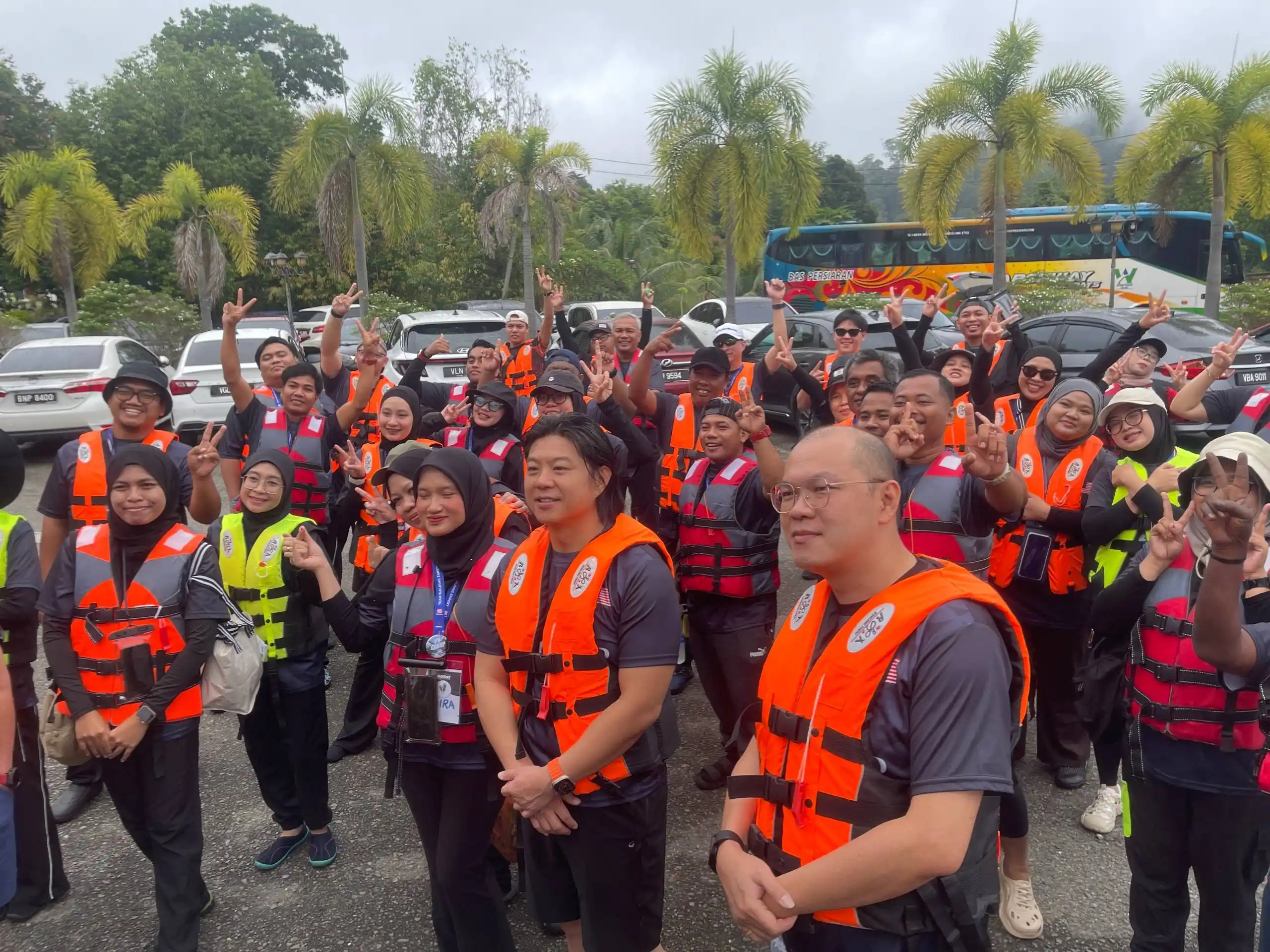
What does a Taman Negara team building programme actually feel like from the participant's point of view? For this GenBijak programme, the story began before the first challenge. Participants were asked what they expected from the trip, then asked again during the experience what they were doing, how it was going and what they thought so far.
The programme combined team building activities, team challenges, exploration of Taman Negara, teamwork and a visit to a Kampung Orang Asli community where a local guide shared the story and history of the village. Instead of relying only on a polished post-event summary, the experience was documented while it was still happening.
This case study focuses on that journey: expectation → experience → reflection. It also shows HR and corporate organisers what they can look for when planning a destination-based programme that is meant to be more than a company outing.
A Taman Negara team building experience can combine structured team challenges, outdoor exploration, collaboration and local context. In this GenBijak programme, participants took part in activities, worked with teammates, explored Taman Negara and visited a Kampung Orang Asli community while their reactions were captured throughout the experience rather than being written for them afterwards.
The article is based on GenBijak's own programme communication and first-party participant footage. It does not invent participant numbers, client names, programme duration, measured outcomes or testimonial quotes that were not supplied.
1. What Did Participants Expect Before the Programme?
Before the programme began, participants were asked one simple question: “What are you expecting from this trip?” The purpose was not to tell them what they should feel. It was to capture their starting point before the experience began.
“What are you expecting from this trip?”
That question becomes more useful when it is followed up later. Instead of treating participant feedback as something collected only at the end, the programme created a before-and-during comparison. This makes the case study less about what an organiser says happened and more about what participants were noticing as the programme unfolded.
The source material does not provide a full transcript of each participant's answer, so this article does not assume what every individual expected. The evidence we do have is the structure of the experience and the real-time questions used to capture participant reactions.
2. What Did Participants Experience at Taman Negara?
The programme combined several layers of experience: team building activities, group challenges, collaboration, exploration of Taman Negara and a local community visit. The sequence mattered because participants were not simply moving from one tourist stop to another; they were experiencing the trip together as a team.
Participants entered the programme with their own ideas about what the trip might be like.
The programme moved into structured team building activities and team challenges.
Participants interacted with teammates and responded to challenges as a group.
The programme extended beyond a normal workplace or training-room environment into a shared outdoor setting.
The group visited a Kampung Orang Asli community, where a local guide shared information about the village and its history.
Participants were asked what they were doing, how it was going and what they thought so far.
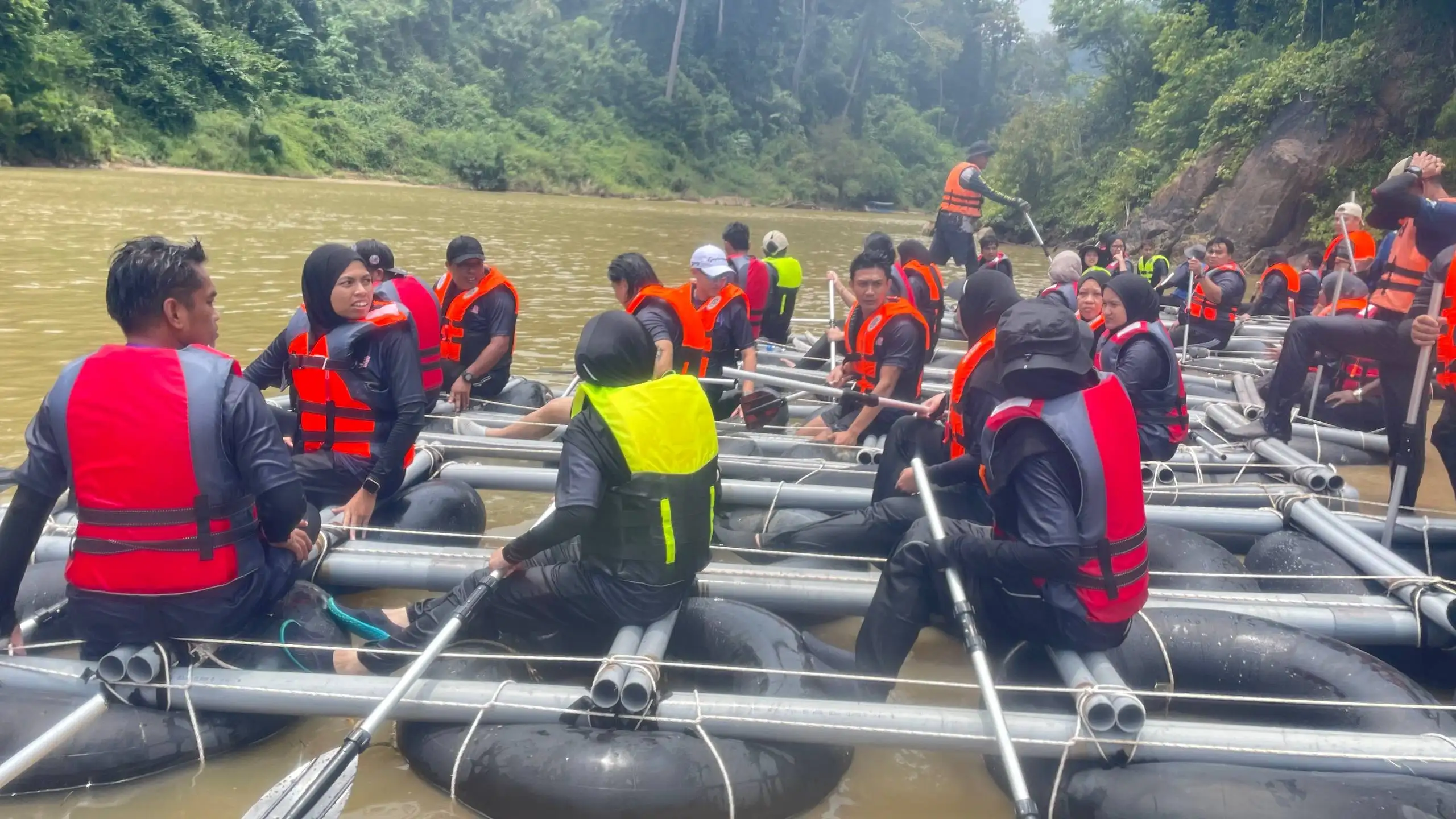
This case study focuses on participant experience. For practical destination planning, use GenBijak's separate Taman Negara team building planning guide.
3. How Did the Experience Change From Expectation to Reflection?
The most useful part of this case study is the change in perspective. Before the programme, participants could only describe what they thought might happen. During the programme, they were responding to real activities, teammates, challenges and surroundings.
What do participants think the trip will be like before anything starts?
What happens once team challenges, exploration and group interaction begin?
What do participants say once they are reacting to something they have actually experienced?
Midway through the programme, the questions changed:
“What are you doing right now?”
“How's it going?”
“What do you think so far?”
At that point, their answers were no longer predictions. The footage could show the challenge they were talking about, the teammates they were working with and the moments they were reacting to. That creates a more grounded record of the participant experience than a generic statement written after the event.
4. What Did the Kampung Orang Asli Visit Add to the Experience?
The programme also included a visit to a Kampung Orang Asli community, where a local guide shared information about the village and its history. This added local context to the wider Taman Negara experience.
The visit should not be treated as an “attraction” added for entertainment. A more respectful way to understand it is as a learning moment that helped participants engage with the place beyond the physical setting. The source material captures this change simply: they were not only visiting a place; they were beginning to understand more about it.
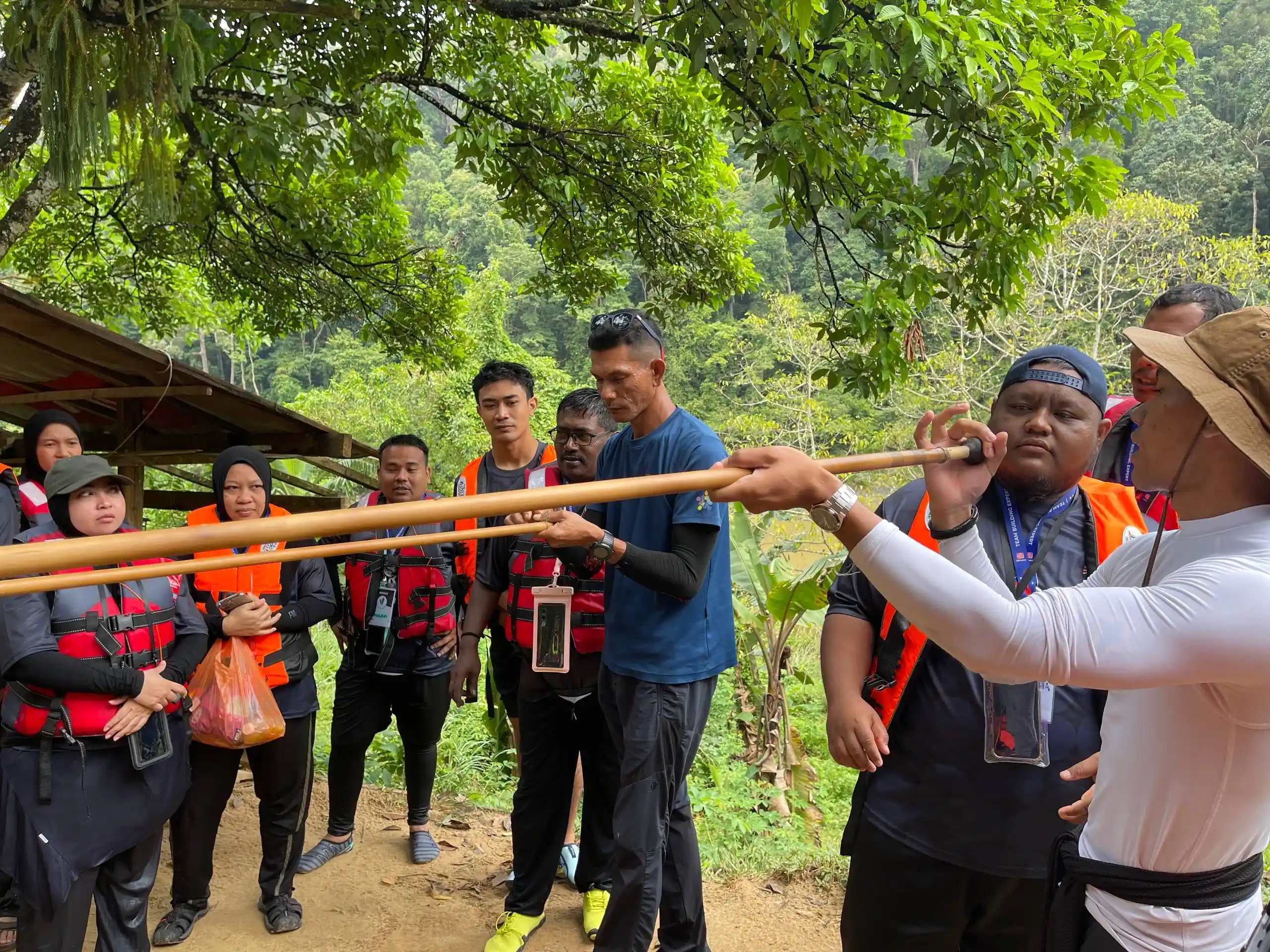
For a corporate group, shared experiences like this can become part of the conversation participants carry through the rest of the programme. The important point is not to claim that one visit automatically produces a specific workplace outcome; it is to recognise that a destination-based programme can create experiences that are very different from an ordinary day in the office.
5. What Did Participants Really Think During the Programme?
The strongest evidence in this case study is not a rewritten testimonial. It is the participants' own reactions captured while the programme was happening.
No Script. Real Reactions.
Watch the Taman Negara journey and hear participants respond to the experience in their own words.
Watch the Participant ExperienceBecause the supplied material does not include a verified transcript, this article does not manufacture participant quotes. If GenBijak later prepares an exact transcript from the video, selected word-for-word participant statements can be added here as first-party evidence.
6. What Can HR Teams Learn From This Taman Negara Case Study?
The case study does not prove that every company will achieve the same result. What it does show is how a programme can be designed around shared experience, participant interaction and reflection rather than only a list of activities.
Programme flow, group interaction, facilitation and the environment all shape what participants actually experience.
A destination-based programme places employees in a shared environment that is different from their normal workplace routine.
Shared challenges give participants something concrete to respond to, coordinate around and later reflect on together.
Questions asked during or after key activities can help participants notice what happened instead of moving straight to the next activity.
What makes structured team building different from a normal company outing?
A company trip is not automatically a team building programme just because colleagues travel together. The difference is usually in the intent, structure, facilitation and reflection built around the experience.
| Area | Company Outing | Structured Team Building Experience |
|---|---|---|
| Primary purpose | Often leisure, celebration or social time | Planned around a defined team objective or experience |
| Activities | May be informal or optional | Selected or adapted as part of a programme flow |
| Team interaction | Occurs naturally | Can be intentionally built into challenges and group tasks |
| Facilitation | May not be required | Can guide participation, pacing and learning moments |
| Reflection | Usually informal | Can be built into selected points of the programme |
Company outing: Often leisure, celebration or social time.
Structured team building: Planned around a defined team objective or experience.
Company outing: May be informal or optional.
Structured team building: Selected or adapted as part of a programme flow.
Company outing: May not be required.
Structured team building: Can guide participation, pacing and learning moments.
Company outing: Usually informal.
Structured team building: Can be built into selected points of the programme.
The right format depends on the company's actual objective. A leisure outing can be the correct choice when the main goal is simply to relax and spend time together.
7. How Can a Similar Taman Negara Team Building Programme Be Planned?
A similar programme should start with your own company requirements, not by copying another group's itinerary. Headcount, participant profile, objectives, preferred date, duration, travel arrangements, meals, accommodation, activity format and budget can all change the right programme structure.
For HR and Admin teams, the most useful information to prepare before requesting a proposal is:
Approximate headcount, departments, participant mix and any relevant physical considerations.
What management wants participants to experience, discuss or work on together.
Preferred programme dates and whether the team needs a one-day or retreat-style format.
Transport, accommodation, meals, venue arrangements and other coordination requirements.
If you are researching Taman Negara logistics and programme planning, read the Taman Negara team building guide. If you are still comparing programme formats more broadly, explore GenBijak's corporate team building programmes.
You can also compare this real case with GenBijak's broader guide to what happens during a corporate team building programme.
8. What Level of Programme Support Can a Company Choose?
The supplied programme communication described two support levels: Basic for essential support and Premium for a more complete end-to-end arrangement. The exact scope should still be confirmed in the current quotation before publishing or selling a package.
Designed around essential programme support such as HRD consultation and claim submission support, event materials and trainer support.
Extends the scope with broader trainer support, customised event materials, photo/video, montage, post-programme reporting and coordination support.
For current programme and claim-related details, review GenBijak's team building package and HRD claim information.
9. Frequently Asked Questions
Is Taman Negara suitable for corporate team building?
It can be suitable for companies looking for a destination-based outdoor programme, but suitability depends on the group size, participant profile, programme objective, duration and logistics requirements. HR should assess the team before confirming the format.
What happens during a Taman Negara team building programme?
The programme can combine structured team activities, group challenges and selected Taman Negara experiences. In this GenBijak case, participants also worked with teammates, explored the destination, visited a Kampung Orang Asli community and shared reactions during the experience.
Can a Taman Negara team building programme be customised?
Yes. The programme direction can be shaped around headcount, objectives, participant profile, preferred date, duration, activities, logistics and budget rather than copying another company's itinerary.
Can GenBijak support transport, accommodation and meals?
Support for transport, accommodation, meals and programme coordination can be included depending on the agreed scope and quotation. Confirm the required components during planning.
Can the programme be planned as HRD Corp claimable?
GenBijak can support HRD Corp claimable programme planning for eligible employers, subject to current HRD Corp requirements, programme approval, supporting documents and available levy balance. Claimability should not be treated as guaranteed.
Why are participant reactions useful in a team building case study?
Participant reactions add first-hand context to what happened during the programme. When feedback is captured during specific activities or moments, readers can compare the planned experience with what participants were actually noticing at the time.
References & Source Material
- GenBijak. Taman Negara participant experience footage — first-party programme video. Watch source video
- Tourism Malaysia. Taman Negara. View destination reference
- GenBijak. Team Building Taman Negara Pahang: HRD Corp Guide. View planning guide