

What Really Happens During a Team Building Programme?
A corporate team building programme Malaysia typically takes participants through a structured journey of briefing, activity participation, and reflection, where they experience teamwork, communicatio
Quick answer
A corporate team building programme Malaysia typically takes participants through a structured journey of briefing, activity participation, and reflection, where they experience teamwork, communication, leadership, trust building, critical thinking, and problem-solving under pressure. With GenBijak, the focus is not just on fun, but on turning each activity into practical workplace lessons that support stronger team collaboration.
Key Takeaways
- Participants usually start with clear expectations, team setup, and a short briefing before the activities begin.
- During the programme, they face challenges that reveal communication habits, leadership styles, and problem-solving approaches.
- Facilitator debriefing helps turn each game or task into practical workplace insights.
- A well-designed programme can support workplace teamwork, trust building, and strategic communication in a corporate setting.

A corporate team building programme Malaysia is more than a day of games; it is a guided experience that shows how people communicate, collaborate, and respond under pressure. This documentary-style breakdown follows the participant journey from pre-event expectations to activity challenges and post-activity reflections. GenBijak designs each session to connect fun, coach insights, and facilitator debriefing with real workplace lessons in leadership skills, critical thinking, trust building, and strategic communication. For companies in KL, Selangor, Klang Valley, and across Malaysia, that means a clearer view of what participants actually take away from the experience, including how it can support stronger team collaboration and workplace teamwork.
What do participants expect before a team building programme?
Participants usually expect a mix of fun, social interaction, and a chance to learn something useful about how their team works. In a corporate team building programme Malaysia, many people also want the day to feel organised, fair, and worth their time.
Excitement and curiosity
Before the event begins, most participants are curious about the format, the venue, and whether the activities will feel energetic or overly competitive. They often wonder if the tasks will involve physical movement, puzzle-solving, or group coordination, and whether they will be paired with colleagues they already know or mixed into new groups.
Many also look forward to trying something different from the usual office routine. A well-designed team building programme can create that sense of novelty through challenge-based activities such as Amazing Race-style tasks, collaboration tasks, and timed problem-solving exercises. Participants often hope these activities will be interactive, practical, and easy to understand within the first briefing.
Nervousness about performance
At the same time, some participants feel nervous before joining. They may worry about being judged, not speaking up enough, or struggling in front of colleagues during problem-solving under pressure. Others may be unsure whether they will need to lead, present, negotiate, or make quick decisions in front of a group.
This is where clear expectations matter. According to Gallup, only 21% of employees were engaged globally in 2023 (Gallup, 2024), which shows why many companies want activities that create involvement rather than passive attendance. When participants understand that the goal is not perfection but participation, they are usually more willing to contribute, ask questions, and test new ways of working together.
What HR teams want to achieve
HR teams usually want the event to support workplace teamwork in a way that feels relevant to the office, not just entertaining for a few hours. They often look for signs of strategic communication, leadership skills, critical thinking, and trust building across departments.
For the provider, this means shaping the experience so participants know what to expect before arrival: a short briefing, clear rules, group roles, and a chance to reflect after each challenge. In practice, that helps people enter the session with the right mindset — ready to collaborate, learn, and observe how they respond as a team.
For companies planning team building KL activities, the expectation is often simple: make the day engaging, structured, and meaningful enough that participants leave with useful workplace takeaways.
What actually happens during a corporate team building programme?
Team building isn’t just about having fun — it is about building a stronger team. In a well-run session, participants move through a structured flow of briefing, challenge, discussion, and reflection so the day feels purposeful rather than random.
Arrival and briefing
- Participants register, receive their group assignment, and get a short overview of the day’s goals, safety rules, and activity flow.
- The facilitator explains what success looks like: not just finishing tasks, but showing team collaboration, strategic communication, and workplace teamwork.
- Teams are usually given a warm-up task or icebreaker so people can settle in before the main challenges begin.
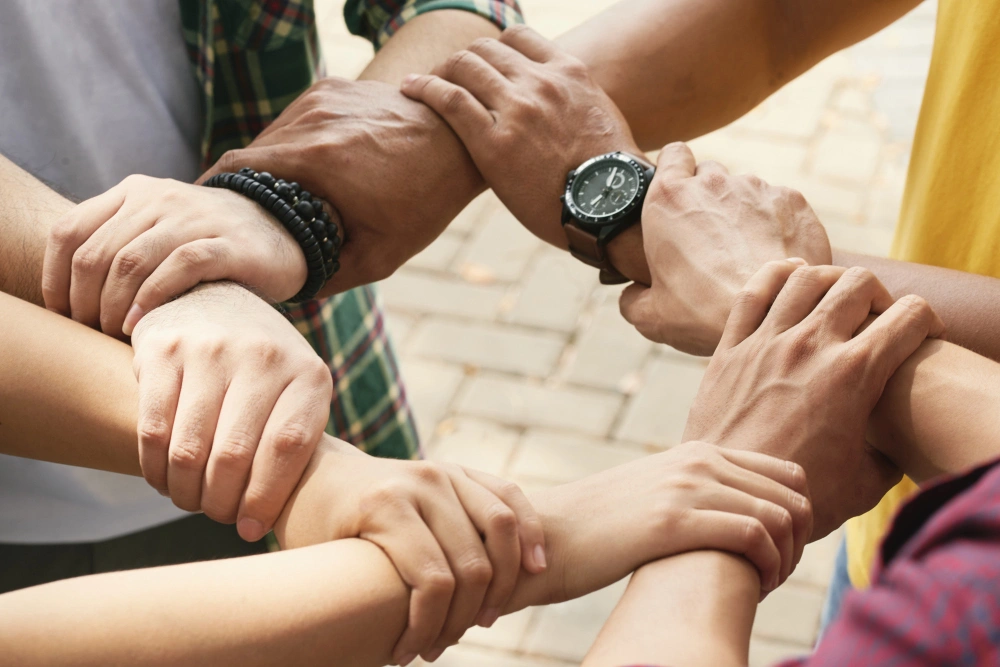
At this stage, many people are watching the room and quietly forming expectations. Some are excited about meeting colleagues outside their usual department, while others may feel nervous about speaking up, making mistakes, or being tested in front of the group. That mix is normal, and a good provider uses it to create a positive start. For companies comparing options for Team Building KL | HRD Corp Claimable Corporate Programmes, this early structure is often what makes the experience feel professional and relevant.
Team challenges in action
Once the activity begins, the programme shifts into practical tasks such as an Amazing Race, clue-solving missions, tower-building, or collaboration tasks that require the group to divide roles quickly. A typical challenge may ask teams to gather information, solve a puzzle, and move to the next station before time runs out. This is where participant expectations become real: people see how their team handles leadership, listening, and decision-making under pressure.
Pressure, time limits, and collaboration
The most valuable part is often not the final score, but how the group responds when plans change. Time limits create urgency, while incomplete instructions force participants to think critically, adapt, and communicate clearly. In many sessions, the facilitator observes patterns such as who takes charge, who supports quietly, and how the team handles disagreement.
After each round, coach insights and facilitator debriefing help connect the activity to the workplace. Participants discuss what worked, what slowed them down, and how the same habits affect deadlines, trust building, and problem-solving under pressure. For a GenBijak corporate team building programme, this reflection stage is what turns a fun outing into a practical learning experience for teams in Kuala Lumpur, Selangor, and across Klang Valley.
HRD Corp claimable team building is subject to eligibility and approval requirements set by HRD Corp.
How do coaches turn activities into workplace lessons?
Coaches turn each game into a workplace lesson by observing behaviour in real time, then using structured reflection to connect what happened on the field to what happens at work. In a corporate team building programme, the activity is only the starting point; the real value comes from the discussion that follows.
Why each activity has an objective
Every challenge is designed with a clear purpose. An Amazing Race task may be used to reveal how teams share information, while a puzzle-based station can show whether participants rely on one voice or build consensus. In a team building programme Malaysia companies can use, these objectives are usually linked to practical outcomes such as strategic communication, leadership skills, critical thinking, and workplace teamwork.
For example, if a team keeps missing clues, the coach may note that instructions were rushed, roles were unclear, or assumptions were made too early. If one participant dominates while others stay silent, that becomes a useful talking point about balance, trust building, and inclusion. These are not abstract ideas; they are patterns that often mirror day-to-day office behaviour in team building KL sessions.
A good facilitator does not just watch the game — they read the team, guide the reflection, and help participants turn behaviour into better communication, leadership, and trust at work.
Facilitator debriefing and reflection
The debriefing stage is where participants make sense of the experience. Coaches ask focused questions such as: What was your plan? What changed under pressure? Who stepped up, and who supported the group? This helps the team move from “we finished the activity” to “we understand how we worked together.”
A strong debrief often highlights small but important details: who listened well, how decisions were made, and whether the group stayed calm during problem-solving under pressure. In HRD Corp claimable team building sessions, this reflection is especially valuable because it gives structure to learning rather than leaving the day as entertainment only. 84% of employees say learning and development opportunities are important to their job experience (LinkedIn Learning, 2024).
Linking the game to the office
The final step is translating the lesson into workplace action. The facilitator may connect a race challenge to project deadlines, a communication task to cross-department coordination, or a strategy game to planning meetings. This makes the programme relevant to real work, not just the event day.
For GenBijak and similar providers, this is where the experience becomes practical: the team leaves with clearer insight into how they collaborate, respond to pressure, and support one another. That is what makes the session more than a one-day activity — it becomes a useful workplace reset.
Ready for a wholesome experience? We Customize Your Special Event. Get Free Quotation CTA.
What do participants say after the challenges and debriefing?
Most participants say the day feels more meaningful than they expected. After the activities and debrief, they usually talk about clearer communication, better trust, and a stronger understanding of how their colleagues work under pressure.
What they enjoyed most
Many participants enjoy the mix of movement, decision-making, and teamwork. In an Amazing Race-style challenge, for example, they often mention the excitement of racing against time while still needing to share information, divide roles, and stay coordinated. A common comment is that the activity feels “real” because it mirrors workplace deadlines, quick adjustments, and group accountability. If the event includes route-based tasks or clue solving, teams often say it was the first time they saw quieter colleagues take the lead in a practical way. For readers who want a deeper look at this format, Amazing Race Team Building Malaysia 2025: The Ultimate Corporate Experience is a useful reference point.
What surprised them
What surprises many people is how quickly small habits show up during the session. Some notice that their team tends to interrupt, rush decisions, or rely too heavily on one person. Others are surprised by how much coach insights and facilitator debriefing help them connect the game to workplace behaviour. Instead of treating the activity as entertainment, participants often leave with sharper awareness of strategic communication, critical thinking, and problem-solving under pressure. In HRD Corp claimable team building sessions, this is often the moment when the learning feels most practical, because the discussion turns abstract moments into clear workplace takeaways. Research also shows that 94% of employees would stay longer at a company that invests in learning and development (LinkedIn Learning, 2024).
Would they do it again?
Yes, often for a very practical reason: they want the same team to improve from the first round to the next. Many say they would return because the programme helps with team collaboration, workplace teamwork, and leadership skills in a way that feels active rather than lecture-based. They also appreciate that the provider can adjust the format for different team sizes, venues, and goals, which makes the experience suitable for a team building KL event or a wider team building programme Malaysia booking. For companies comparing options, this is where GenBijak and similar providers stand out: the session is not just about finishing tasks, but about learning how to work better together.
Safe HRD Corp disclaimer: HRD Corp claimable team building is subject to current HRD Corp requirements, employer eligibility, and submission approval.
How does a team building programme improve workplace teamwork?
It improves workplace teamwork by turning everyday collaboration into a shared, observable experience. Instead of talking about teamwork in theory, participants practise it through structured tasks, then reflect on what worked, what failed, and what needs to change back at work.
Communication and trust
At the start of a team building programme, participants usually arrive with mixed expectations: some want a fun break from the office, while others quietly wonder whether the activities will feel awkward or too competitive. A well-designed session addresses both by creating low-risk icebreakers first, then moving into tasks that require clear instructions, active listening, and mutual support.
This is where trust starts to build. When one person depends on another to share information accurately, the team quickly sees how communication gaps affect results. In a team building KL setting, that might mean a navigation challenge, a timed puzzle, or a group task where everyone has different information. The lesson is simple: workplace teamwork improves when people stop assuming and start confirming.

Leadership and critical thinking
Strong programmes also reveal how leadership actually works in a group. Not every leader is loud; sometimes the best leader is the person who organises ideas, keeps the team calm, and helps everyone contribute. That is why GenBijak designs activities that bring out leadership skills, critical thinking, and strategic communication in realistic ways.
A useful resource for companies exploring the claimable angle is HRD Corp-Claimable Team Building Malaysia 2025 Guide. It helps decision-makers understand the broader training context before planning an event.
Practical outcomes often include:
- clearer team collaboration during fast-moving tasks
- stronger strategic communication under time limits
- better decision-making when roles are unclear
- more confidence in sharing ideas during group discussions
- improved trust building across departments
- sharper critical thinking when teams must compare options quickly
Problem-solving under pressure
Activities such as an Amazing Race format or collaboration tasks work well because they create controlled pressure. Participants must manage time, divide responsibilities, and adapt when plans change. That is exactly how many workplace problems appear in real life: incomplete information, limited time, and different opinions in the same room.
The value comes after the challenge, during facilitator debriefing and coach insights. This is when the group connects the activity to real work habits, such as how to handle conflict, how to support quieter teammates, and how to keep momentum when the team feels stuck. Over time, this approach strengthens workplace teamwork because people leave with practical habits, not just memories of an event.
- GenBijak designs activities that support workplace teamwork, strategic communication, and collaboration for teams in Kuala Lumpur and beyond.
- Each programme can be tailored to company goals, venue needs, and group size for a more relevant learning experience.
Ready for a wholesome experience? GenBijak creates customised event solutions and team-building experiences for companies looking for a practical, engaging, and safe HRD Corp claimable team building pathway.
Frequently Asked Questions
What do participants usually expect before joining a team building programme?
What happens before the activities start in a corporate team building programme Malaysia?
What kinds of challenges are common during team building activities?
How do facilitators help participants learn from the experience?
Why is a corporate team building programme Malaysia useful beyond just fun?
References
- Human Resource Development Corporation (HRD Corp) — Human Resource Development Corporation (HRD Corp)
- HRD Corp Trainers’ Development Framework (HRD-TDF) Guideline — HRD Corp Trainers’ Development Framework (HRD-TDF) Guideline
- HRD Corp Training Effectiveness Evaluation (HRD-TEE) — HRD Corp Training Effectiveness Evaluation (HRD-TEE)
- OSHA: Building Safe & Healthy Workplaces that Promote Worker Voice — OSHA: Building Safe & Healthy Workplaces that Promote Worker Voice
- Mind Tools: Team Building — Mind Tools: Team Building