

How to Organise a Corporate Esports Tournament in Malaysia
A corporate esports tournament Malaysia is best organised by setting clear goals, choosing a game and format that match your audience, planning registration and communications early, and preparing fai
Quick answer
A corporate esports tournament Malaysia is best organised by setting clear goals, choosing a game and format that match your audience, planning registration and communications early, and preparing fair-play, technical, and venue logistics before event day. With the right structure, it can support engagement, internal connection, and a smooth post-event review.
Key Takeaways
- Start with a clear objective, such as engagement, team bonding, or internal communication.
- Choose a tournament format that fits your headcount, venue, and available equipment.
- Build a practical plan for registration, rules, technical checks, and dispute handling.
- Review attendance, participation, feedback, and operations after the event to improve the next one.
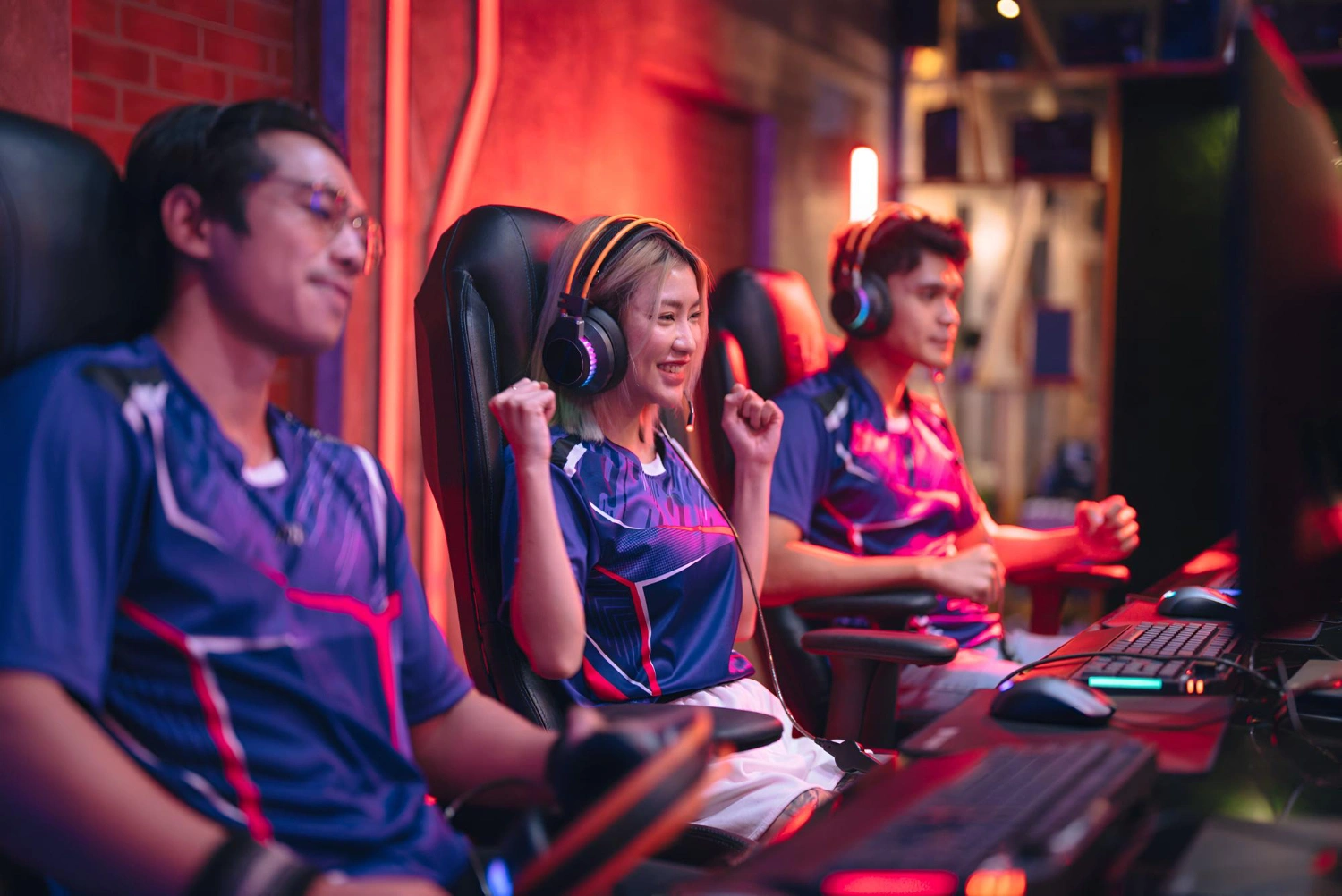
Planning a corporate esports tournament in Malaysia is not just about picking a game and setting a date—it is about building an experience that fits your people, your objectives, and your operational limits. This guide gives HR, internal communications, marketing, procurement, and corporate event teams a practical step-by-step approach to define the purpose, select the right format, manage registrations, avoid common execution issues, and evaluate results after the event. If you need a partner to help shape the experience, GenBijak can support the planning process with a structured, corporate-friendly approach.
What Is a Corporate Esports Tournament in Malaysia?
A corporate esports tournament in Malaysia is an organised in-house or company-branded gaming event designed for employees, partners, or invited stakeholders to compete in a structured, workplace-friendly format. It is usually run as a team-building, engagement, or internal activation activity rather than a commercial competition.
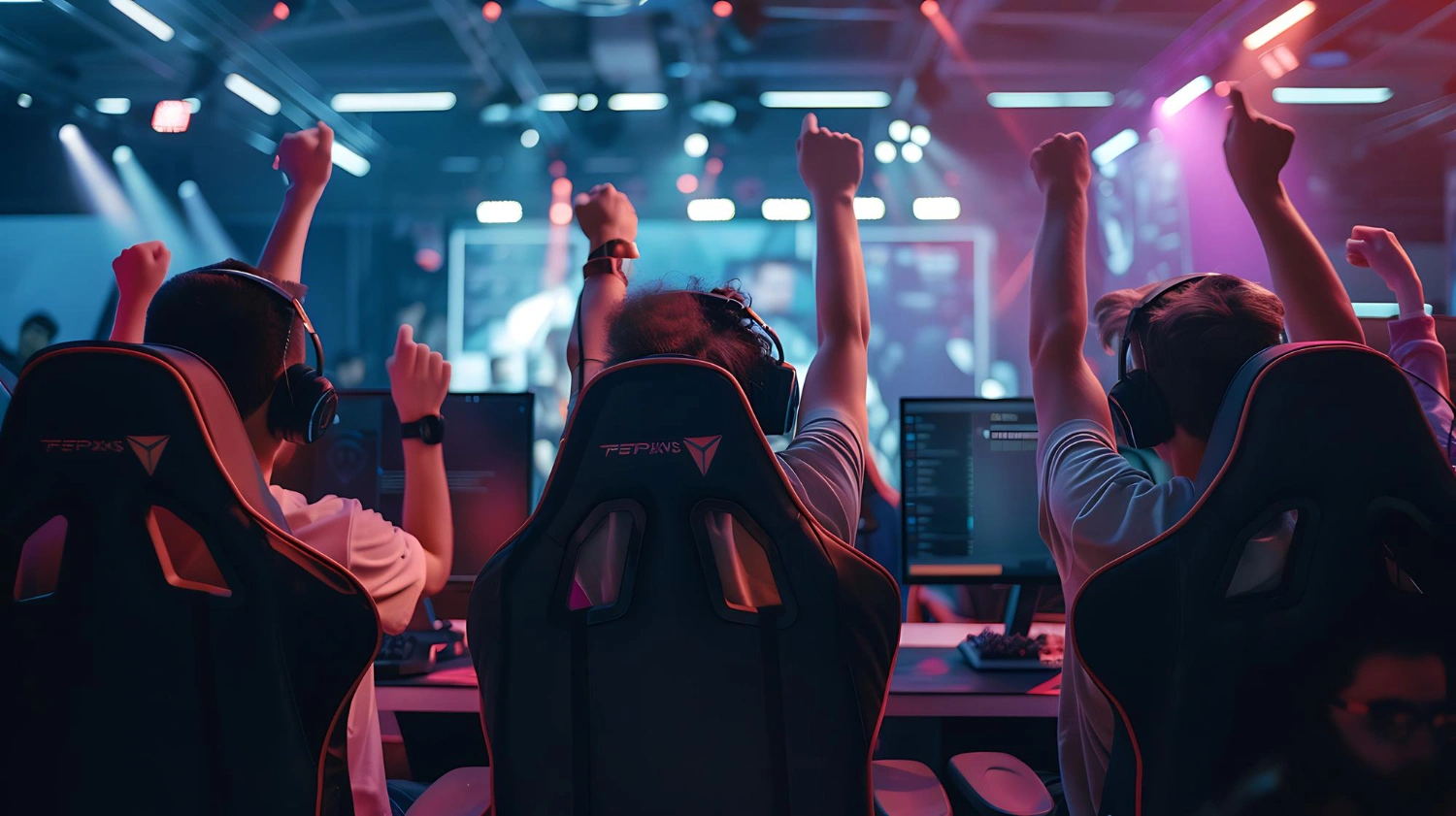
For companies exploring a Team Building Company in KL & Malaysia, this format can be adapted to different office cultures, headcounts, and event goals without needing a full-scale public event setup.
How it differs from public or professional esports
A corporate event is built around participation, accessibility, and company objectives. Public tournaments are usually open to the wider gaming community and may attract a broad skill range, while professional esports competitions are designed for high-performance players, league rules, sponsorships, and prize-driven outcomes. In a corporate esports tournament Malaysia setup, the emphasis is typically on fair participation, simple rulebooks, and a smooth experience for non-gaming and casual players too.
This means organisers often choose shorter match formats, mixed-skill brackets, or department-based teams so that more employees can join comfortably. The event may also include presenter-led announcements, branded overlays, and internal engagement moments that support corporate culture instead of a spectator-first broadcast model.
Common corporate objectives
A well-planned tournament can support multiple business goals at once, including:
- employee engagement and morale
- inter-department interaction
- internal community building
- corporate activation for staff or guests
- audience engagement during town halls, launches, or celebration events
It can also be used to encourage collaboration across teams, create a low-pressure social experience, and give employees a shared activity that feels fresh and inclusive. For many organisations, the value is not only in the gameplay itself, but in the conversations, team dynamics, and event energy that happen around it.
What Should You Confirm Before You Plan the Tournament?
Start with the basics: define what success looks like, who will join, and what kind of experience you want to deliver. Once those core inputs are clear, it becomes much easier to choose the right format, venue, and support team.
Objective and success metrics
Before any vendor discussion, agree on the event’s purpose and how it will be measured. For example, a staff engagement event may be judged by participation rate, feedback scores, and department mix, while an internal launch activation may focus on attendance, live interaction, and post-event sign-ups. If you want a planning reference for broader engagement concepts, see Unlocking Success with Professional Corporate Team Building Solutions.
Participant profile and headcount
Confirm who the participants are:
- employees only, or employees plus invited guests
- casual players, mixed-skill teams, or experienced gamers
- single office, multi-branch, or hybrid workforce
- expected headcount, plus any reserve list
This matters because a 24-person bracket, for example, needs very different match timing and staffing from a 100-person department challenge. It also helps the provider adjust team balancing, briefing style, and registration flow.
Game titles, devices, locations, duration, venue, streaming, budget
Lock these details early:
- approved game titles and age-appropriate content
- platform and device setup, including PC, console, or mobile
- venue type, such as office, hotel function room, or offsite space
- event length, including check-in, briefing, matches, and awards
- whether streaming is required for internal or external audiences
- budget ceiling, including production, manpower, equipment, and contingency
A useful benchmark is that 73% of employees are engaged at work globally (Gallup, 2023), so your planning should support participation and ease, not just competition. For a practical event structure, compare Unlocking Success with Professional Corporate Team Building Solutions with your internal event goals before finalising the format.
Online vs Offline vs Hybrid: Which Tournament Format Fits?
The right format depends on your audience, venue access, and how much production support you can manage. In most cases, online works best for distributed teams, offline suits high-energy shared experiences, and hybrid gives the most flexibility when you need both reach and atmosphere.
Operational requirements
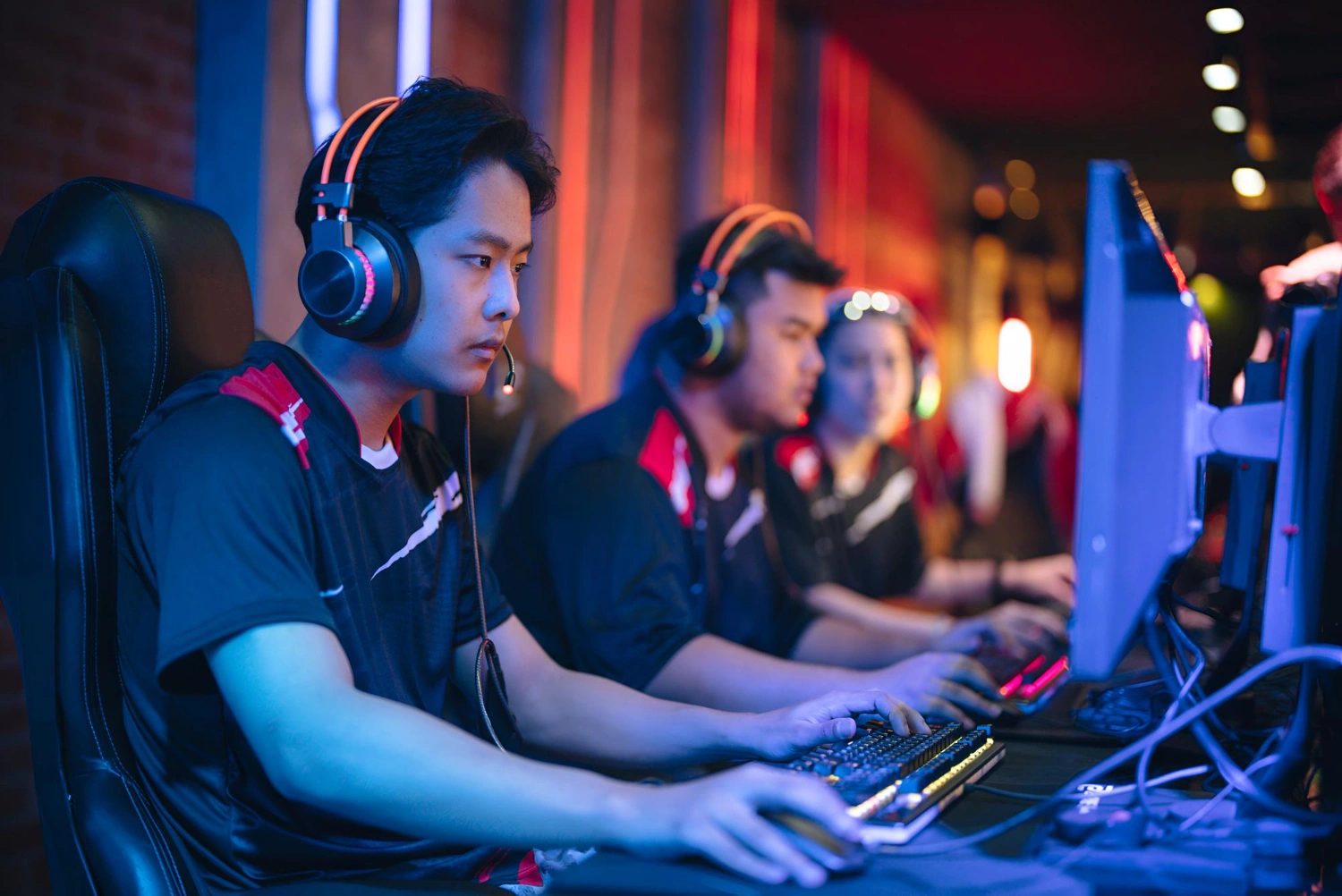
If your workforce is spread across KL, Selangor, and beyond, online delivery reduces travel friction and lets branches join from their own sites. It needs stable connectivity, clear match links, backup devices, and a help desk channel for technical issues.
Offline events are stronger when you want face-to-face energy, live cheering, emcee flow, and easier on-site control. They usually require a suitable venue, power management, registration support, spectator zoning, and a disciplined run sheet.
Hybrid setups combine both: a live anchor venue for finals or showcases, plus remote qualifiers or side brackets for branch teams. This format is often the most adaptable for mixed-office organisations, but it also demands tighter scheduling, stronger moderation, and more coordinated AV support.
| Format | Best use case |
|---|---|
| Online | Multi-branch teams, lower travel load, simpler attendance across locations |
| Offline | One-location events, stronger team energy, more visible audience interaction |
| Hybrid | Large or distributed organisations that want reach plus a live event moment |
Advantages and limitations
Online can be cost-efficient and easier to scale, but it may feel less social if communication is not structured well. Offline creates stronger presence and faster issue resolution, yet it can add venue and staffing pressure. Hybrid can deliver the broadest participation, but it is the most demanding operationally and should only be chosen when the team can support both live and virtual execution.
For planners, the decision should follow your goal: engagement, inter-department bonding, or audience activation. A 2024 global survey found that 91% of companies run some form of employee engagement initiative (Gallup, 2024), which is why format choice should support participation, not just competition. For the company, GenBijak can tailor the delivery mode to the brief, the audience mix, and the available budget direction.
Which Tournament Format Should You Choose?
Choose the format based on your event goal, participant count, and available time. For most internal programmes, a well-structured group stage to knockout format gives the best balance of fairness, excitement, and manageable scheduling.
| Format | When it works best, setup effort, and participant volume |
|---|---|
| Single elimination | Best for tight timelines or one-day activations; simple to run; suited to smaller groups or when many teams need a fast bracket |
| Round robin | Best for culture-building and fair play; needs more match time and more administration; works well for smaller participant pools |
| Group stage to knockout | Best for larger teams that need both participation and a clear winner; requires moderate setup and planning |
Single elimination
This is the fastest structure: one loss and a team is out. It suits roadshow-style activations, leadership challenges, or events with a very limited time window. If you have 8 to 16 teams and only a few hours, this format keeps the programme moving and reduces technical load.
Round robin
Every team plays every other team in its group or pool, so it is ideal when the objective is interaction and broad participation. It works well for smaller departments, such as 4 to 6 teams, because the schedule stays realistic and every match has value. This format is often the most transparent for internal audiences.
Group stage to knockout
This is the most practical option for a larger internal tournament because it balances engagement with a decisive final. Teams first play in groups, then the top performers advance to elimination rounds. If you are comparing structure options with a planning partner, Unlocking Success with Professional Corporate Team Building Solutions can help align the format to your audience and event objectives.
For a company event, this hybrid structure is often the safest choice when you want visible momentum, enough match exposure for participants, and a clean finale for management or audience engagement.
How Do You Organise Registration, Rules, and Fair Play?
A successful programme starts with a controlled sign-up flow, clearly published rules, and a simple dispute process. That combination helps the provider manage eligibility, keep match play consistent, and protect trust from the first registration form to the final result confirmation.

Registration and eligibility
- Open registration with clear criteria. Confirm the participant count, department mix, and whether each team must represent a branch, business unit, or mixed internal group. For a company event, it is also wise to state age limits, attendance requirements, and whether external guests are allowed.
- Collect the right details early. Use a form that captures full names, employee IDs, contact numbers, team names, preferred roles, and any accessibility needs. If the event uses mobile play, check device type and login readiness in advance.
- Freeze the roster before match day. Set a deadline for substitutions so there is no confusion once brackets are published. This is especially important for a wholesome experience when teams need time to prepare and communicate internally.
Seeding, brackets, and check-in
- Seed teams fairly. Use simple methods such as random draw, department balancing, or previous internal event performance, depending on the objective.
- Publish brackets and match times early. Share the schedule in a readable format so participants know when to report, where to join, and how long they have between matches.
- Run structured check-in. Ask teams to confirm attendance 15 to 30 minutes before their slot, then mark no-shows according to the rules stated upfront.
Referees, disputes, and participant communication
- Assign referees and a dispute lead. The referee handles live calls, while the dispute lead reviews screenshots, game logs, or witness statements if needed.
- Use a written fair-play policy. Cover unsportsmanlike conduct, device tampering, account sharing, and intentional delays.
- Close each issue with a documented outcome. Share rulings through one official channel so all participants receive the same update and the final result stays transparent.
For a corporate esports tournament Malaysia teams can trust, clear communication is just as important as the bracket itself.
What Technical and Logistics Setup Do You Need?
A smooth corporate esports event needs stable connectivity, reliable hardware, and a simple backup plan. The goal is to remove friction so teams can focus on gameplay, timing, and experience—not on technical interruptions.
Internet, LAN, power, and backup equipment
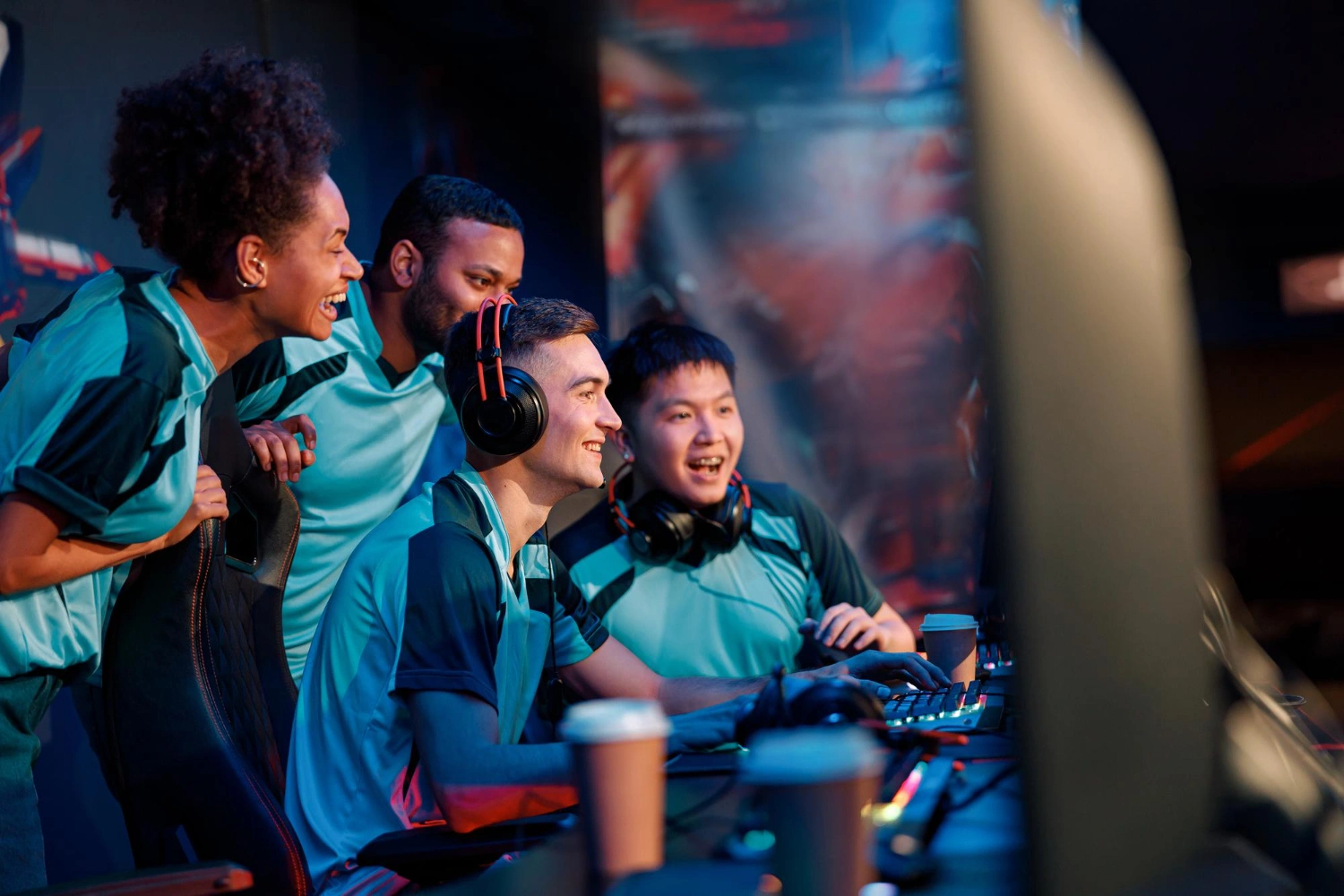
Use dedicated internet with enough upstream capacity for gameplay, registration, and any live broadcast. If possible, separate the event network from guest Wi‑Fi so office traffic, downloads, and spectators do not affect match stability. For hybrid formats, a wired LAN is still the safest option for the main competition area, with 4G/5G backup ready in case the venue line drops.
- Dedicated router and spare modem
- Managed switch and labelled LAN cables
- Extension cords, surge protectors, and taped cable routes
- Power banks for admin tablets and handheld devices
- Backup laptops, spare controllers, and extra headsets
- Offline copies of brackets, schedules, and match rules
For engagement-focused programmes, a clear setup also supports smoother team interaction; you can align the event with How Team Building Boosts Employee Engagement in Malaysia.
Devices, consoles or PCs
Confirm the platform early: console, PC, or mobile. Each title may need different specs, account access, peripherals, and patch versions. Standardise settings where possible so every station runs the same resolution, input mode, and tournament profile. If the organiser is GenBijak, the provider should test all devices one day before the event and lock in a single build version for consistency.
AV, streaming, overlays, casting
Prepare one master display for brackets, scoreboards, and match notices. If streaming is included, check camera angles, audio levels, caster microphones, and any required overlay assets before doors open. Keep a simple presentation pack for sponsors or internal leaders so transitions stay professional and on-brand.
Venue movement and contingency planning
Map where players check in, wait, compete, and rest. Leave enough space for crowd flow, staff access, and equipment swaps. Have a contingency plan for power loss, match restart, delayed arrivals, and venue movement between rooms. That way, the event stays organised even when the schedule shifts.
6–8 Week Planning Timeline for a Corporate Esports Tournament
A 6–8 week runway is usually enough for a focused internal esports event if the format is straightforward and the venue is already shortlisted. For a larger corporate gaming event, build in more time so approvals, participation, and technical testing do not become last-minute bottlenecks.
Week-by-week planning milestones
- Weeks 1–2: define the brief and lock the format. Confirm the objective, participant profile, department mix, game title, and whether the event is online, offline, or hybrid. This is also the point to align the agenda, prize structure, and approval flow with HR, internal communications, and procurement.
- Weeks 2–3: secure the venue and event partners. Finalise the room layout, AV needs, registration approach, and any emcee or referee support. If GenBijak is handling the event, this is when the provider should translate the brief into a workable run sheet and staffing plan.
- Weeks 4–5: open registrations and start communications. Share the rules, schedule, eligibility criteria, and equipment requirements. A clear communication pack should go out early so participants know what to expect, especially if there are team captains, replacement players, or department-based brackets.
- Weeks 5–6: run technical checks and bracket confirmation. Test devices, internet stability, logins, match settings, and backup procedures. Use this phase to confirm player lists, lock match timings, and handle any disputes before event day.
- Week 7–8: rehearse and execute. Walk through the full event flow, from check-in to finals and prize presentation. Keep a final contingency buffer for delays, no-shows, or equipment swaps.
When to allow extra lead time
Add at least 2–4 more weeks if the programme involves multiple sites, live streaming, external sponsors, or a wider audience. The same applies when the event needs layered approvals, multilingual communication, or more complex tournament administration. As a reminder, 6–8 weeks is practical for many internal events, but larger or broadcast-heavy formats need extra preparation.
How Do You Measure Success After the Event?
A successful post-event review looks at whether the programme met its original business goal, not just whether the matches ran on time. Measure both participation outcomes and stakeholder satisfaction, then use the findings to refine the next edition.
KPI and post-event evaluation
Use a KPI table to connect event objectives with measurable outcomes and post-event review questions.
| Event objective | KPI / measurable outcome |
|---|---|
| Employee engagement | Registration rate, attendance rate, and completion rate |
| Cross-team interaction | Number of mixed-department teams formed and post-event networking touchpoints |
| Internal community building | Feedback on belonging, morale, and willingness to join future company activities |
| Corporate activation | Engagement from invited guests, brand recall, and booth or content interactions |
| Audience engagement | Peak participation points, chat activity, and content retention across event moments |
A practical review should also check operational results. For example, if check-in delays, match overruns, or technical issues were flagged, note how often they occurred and what caused them. In Malaysia, employee engagement remained a top priority for many workplaces, with 79% of employees saying it mattered in a recent workplace study (Gallup, 2024). That makes it worth tracking whether the event created visible enthusiasm and stronger internal connection.
For a cleaner wrap-up process, the provider can compile one summary report covering attendance, feedback, incident log, and recommended improvements. If you are still shaping scope and event structure, Get a Free Quotation can help align the plan before the next cycle.
Participant feedback and next-step recommendations
Collect feedback within 24–72 hours while the experience is still fresh. Ask short questions on satisfaction, fairness, prize relevance, communication clarity, and whether participants would join again. Add one open-ended question about what should change next time.
Then turn comments into action:
Ready for a wholesome experience? GenBijak can customize your special event with practical team building and event management support tailored to your objectives.
Frequently Asked Questions
What is a corporate esports tournament, and how is it different from public or professional esports?
What business goals can a corporate esports tournament support?
What information should organisers confirm first before planning a corporate esports tournament in Malaysia?
How do you choose the right game and format for a corporate esports event?
What makes a corporate esports tournament in Malaysia run smoothly on event day?
References
- Ministry of Youth and Sports Malaysia — Strategic Plan for Esports Development — Ministry of Youth and Sports Malaysia — Strategic Plan for Esports Development
- Putrajaya Corporation — E-Permohonan Acara — Putrajaya Corporation — E-Permohonan Acara
- Majlis Bandaraya Shah Alam — Permit for Entertainment — Majlis Bandaraya Shah Alam — Permit for Entertainment
- Majlis Perbandaran Sepang — License and Permit — Majlis Perbandaran Sepang — License and Permit
- Malaysia Government Portal — Tourism License Application and Renewal (TOURLIST) — Malaysia Government Portal — Tourism License Application and Renewal (TOURLIST)