
Team Building Icebreakers for Large Groups Malaysia 2025

Managing energy in a large corporate event can be a challenge. Whether you are organizing a town hall, a yearly kickoff, or a department summit in Kuala Lumpur, the difference between a passive crowd and an engaged team often comes down to the first 15 minutes.
For large groups—specifically defined as 50 to 300 pax—icebreakers are essential. They aren’t just “games”; they are strategic tools designed to turn a crowd of individuals into active participants fast.
The best icebreakers for the Malaysian corporate landscape in 2025 share common traits: they are quick, require low setup, are highly inclusive, and reduce awkwardness in minutes.
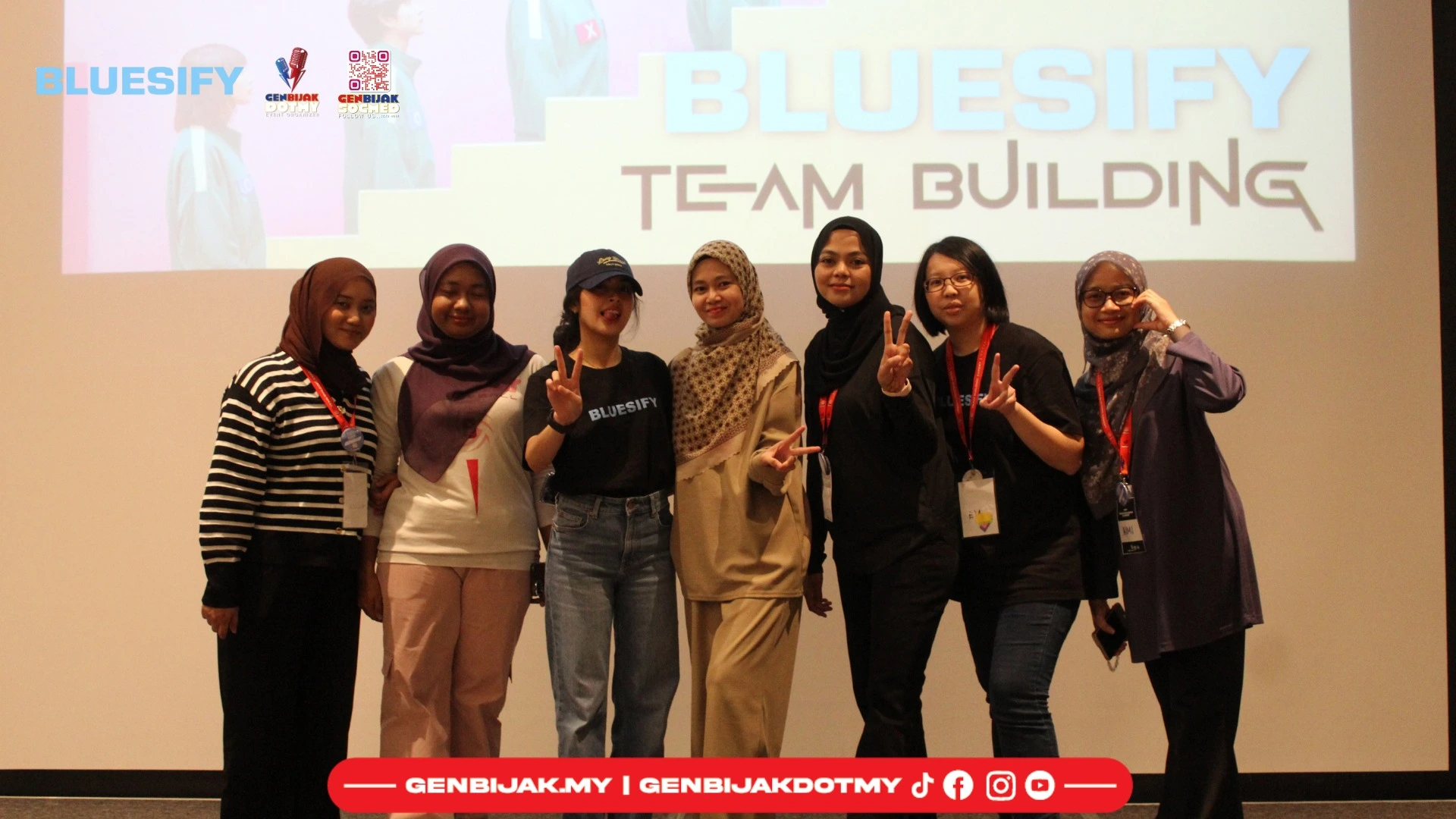
1. 10 Best Icebreakers for Large Group Team Building
Here are the top energetic and scalable activities designed to get everyone moving and talking.
I. Human Bingo
- Time: 10–15 Minutes
- Ideal Pax: 50+
- What it Builds: Networking across departments.
- Setup: Provide printed “Bingo” cards with traits (e.g., “Has visited Borneo,” “Speaks 3 languages”).
- How it Works: Participants must find colleagues who match the descriptions to fill their grid. It is easy to run and forces mingling outside of immediate cliques.
II. Two Truths and a Lie
- Time: 10 Minutes
- Ideal Pax: Groups of 8–10
- What it Builds: Conversation starter and light humour.
- Setup: None.
- How it Works: In small circles, each person shares three statements. The group votes on which one is the lie. This classic game reveals surprising facts about coworkers.
III. Speed Networking Rotations
- Time: 10–15 Minutes
- Ideal Pax: Any large number (Even numbers preferred)
- What it Builds: Rapid connection.
- Setup: Inner and outer circles (or rows).
- How it Works: Participants have structured 60-90 second partner swaps to answer a specific prompt before moving to the next person.
IV. Find Someone Who…
- Time: 5–10 Minutes
- Ideal Pax: 50–300
- What it Builds: Movement and connection.
- Setup: A list of criteria projected on a screen.
- How it Works: The facilitator shouts a category (e.g., “Find someone wearing blue”), and the crowd must mix and match. This works exceptionally well for mixed teams.
V. Most Likely To… (Team Vote)
- Time: 5 Minutes
- Ideal Pax: Whole Room
- What it Builds: Whole-room engagement.
- Setup: None (MC-led).
- How it Works: An MC-friendly game where groups point to the person fitting a description (e.g., “Most likely to survive a zombie apocalypse”).
VI. Emoji / Gesture Introductions
- Time: 5 Minutes
- Ideal Pax: Small Squads
- What it Builds: Fast, fun, low-pressure speaking.
- Setup: None.
- How it Works: Instead of a long self-intro, participants say their name and do a hand gesture or pose that represents their current mood.
VII. Group Clap / Rhythm Sync
- Time: 3 Minutes
- Ideal Pax: 100–300+
- What it Builds: Instant energy and coordination.
- Setup: None.
- How it Works: The leader establishes a rhythm (clap-stomp-clap), and the entire room must sync up simultaneously.
VIII. Common Ground Sprint
- Time: 5–10 Minutes
- Ideal Pax: Small Squads
- What it Builds: Rapid bonding.
- Setup: None.
- How it Works: Teams race to find 5 things they all have in common (excluding work or physical appearance) as quickly as possible.
IX. Line-Up Challenge
- Time: 10 Minutes
- Ideal Pax: 50+
- What it Builds: Non-verbal communication and problem-solving.
- Setup: Open space.
- How it Works: The group must arrange themselves in order of birthdays, month of birth, or years of service—without talking.
X. Team Flag / Chant in 3 Minutes
- Time: 3–5 Minutes
- Ideal Pax: Small Squads
- What it Builds: Quick identity and bonding
- Setup: Paper and markers (optional).
- How it Works: Groups must create a team name, a simple flag, or a cheer within a strict 3-minute limit.
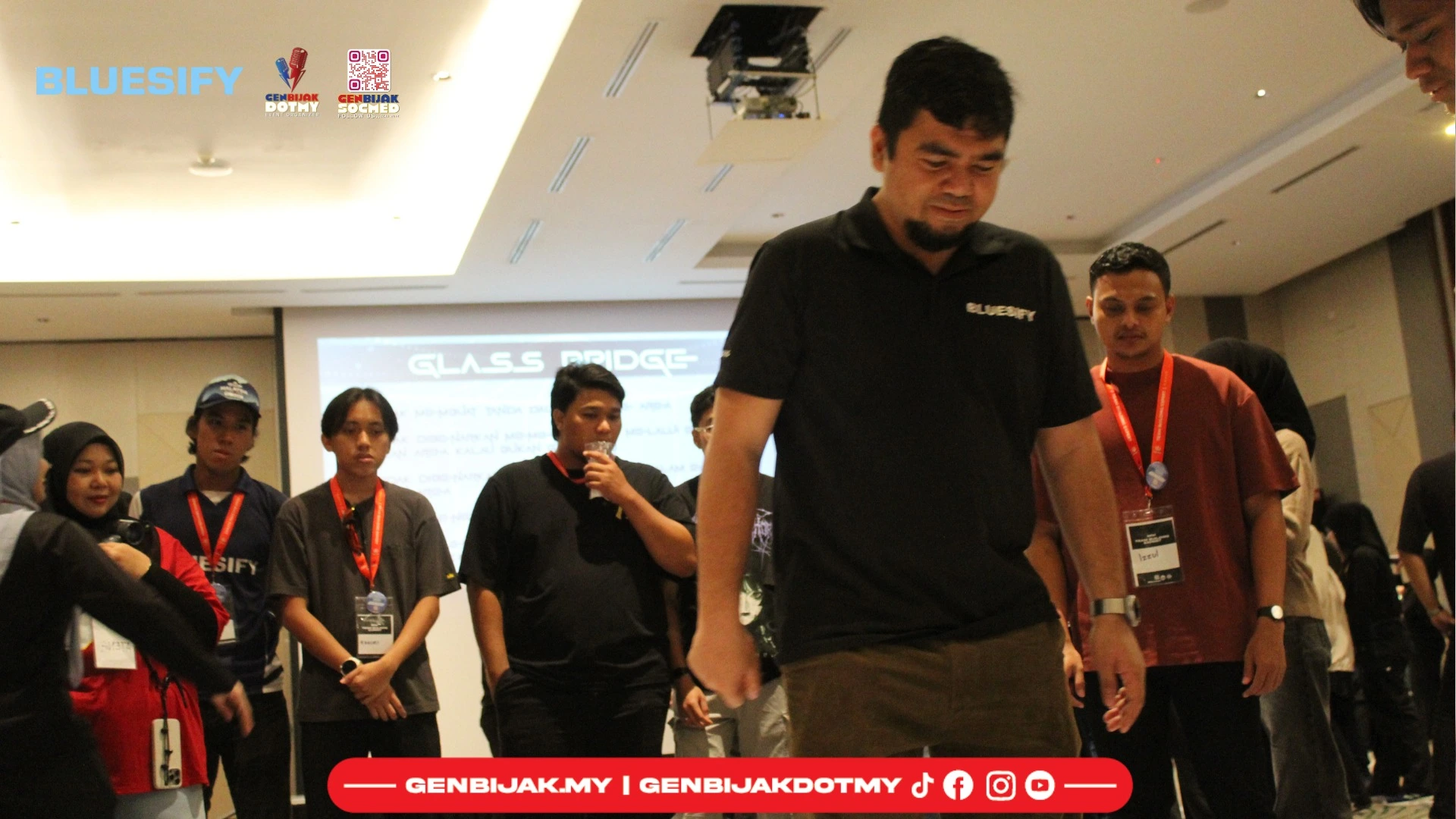
2. How to Run Icebreakers for 100+ Pax (Without Chaos)
Facilitating a large crowd requires tight control to prevent the session from becoming messy.
I. Split into Small Squads: Even if the activity is a “whole room” concept, break the audience into smaller squads of 8–12 pax to ensure everyone participates.
II. Clear Demo & Simple Rules: Complexity kills energy. Stick to max 2–3 steps and perform one clear demonstration before starting.
III. Time-Box Everything: Use a visible countdown timer for each round to keep the urgency high.
IV. Rotate Partners: Actively rotate partners or squads to encourage cross-department mingling rather than letting people stay with their usual lunch buddies.
Get your FREE QUOTATION
Our sales team is dedicated to providing you with a range of solutions tailored to meet your needs.
Let’s meet virtually first, then we can share the itinerary freely.
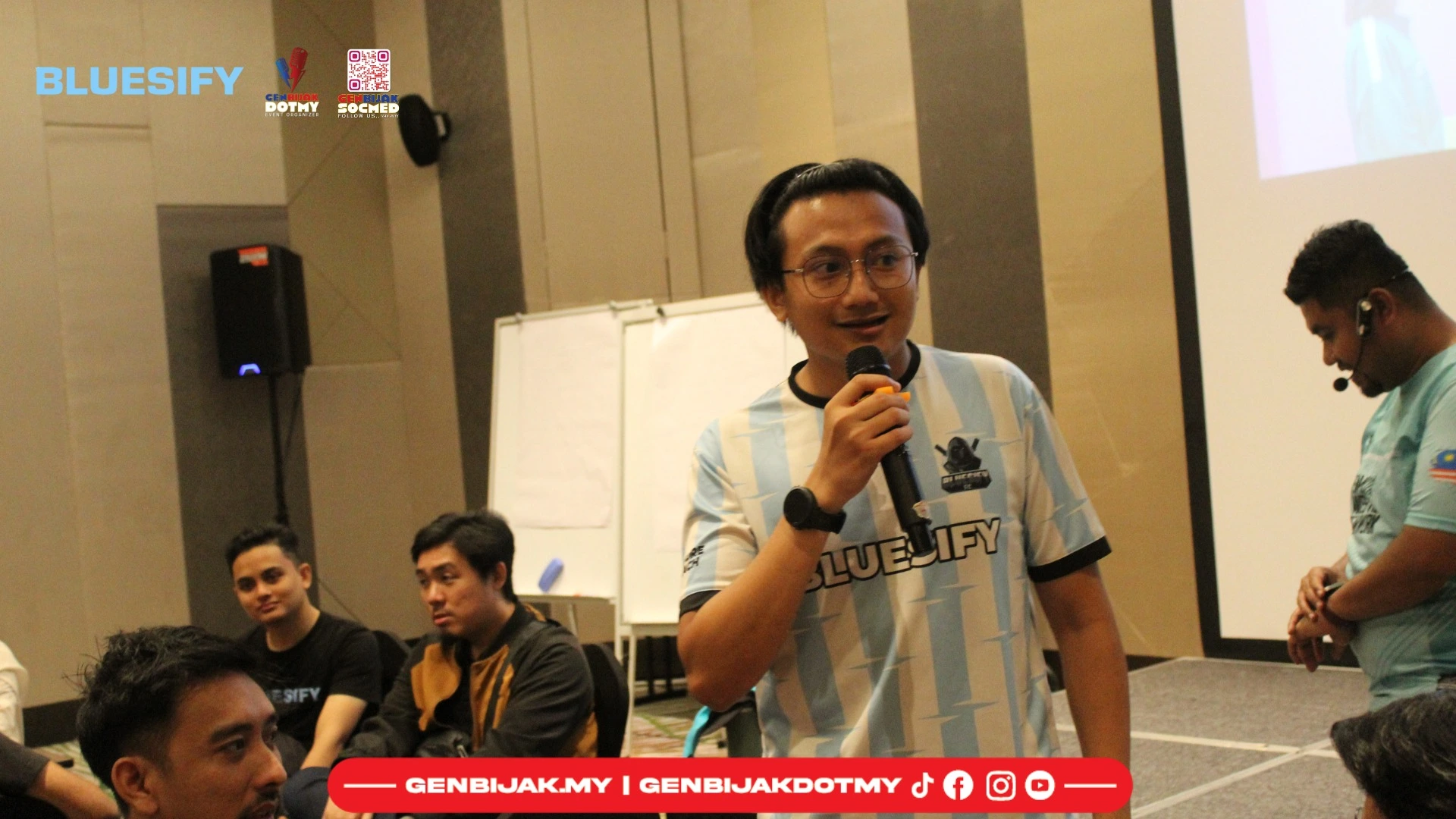
3. Make It Meaningful (Mini Debrief)
Don’t just play a game and move on. End the session with a meaningful bridge to the rest of the event. Spend 2 minutes total on two quick prompts:
- “What helped your team connect fastest?”
- “How can we bring that energy into work next week?”
Optional: Ask each team to share a quick “commitment line” (1 sentence) about how they will collaborate during the event.
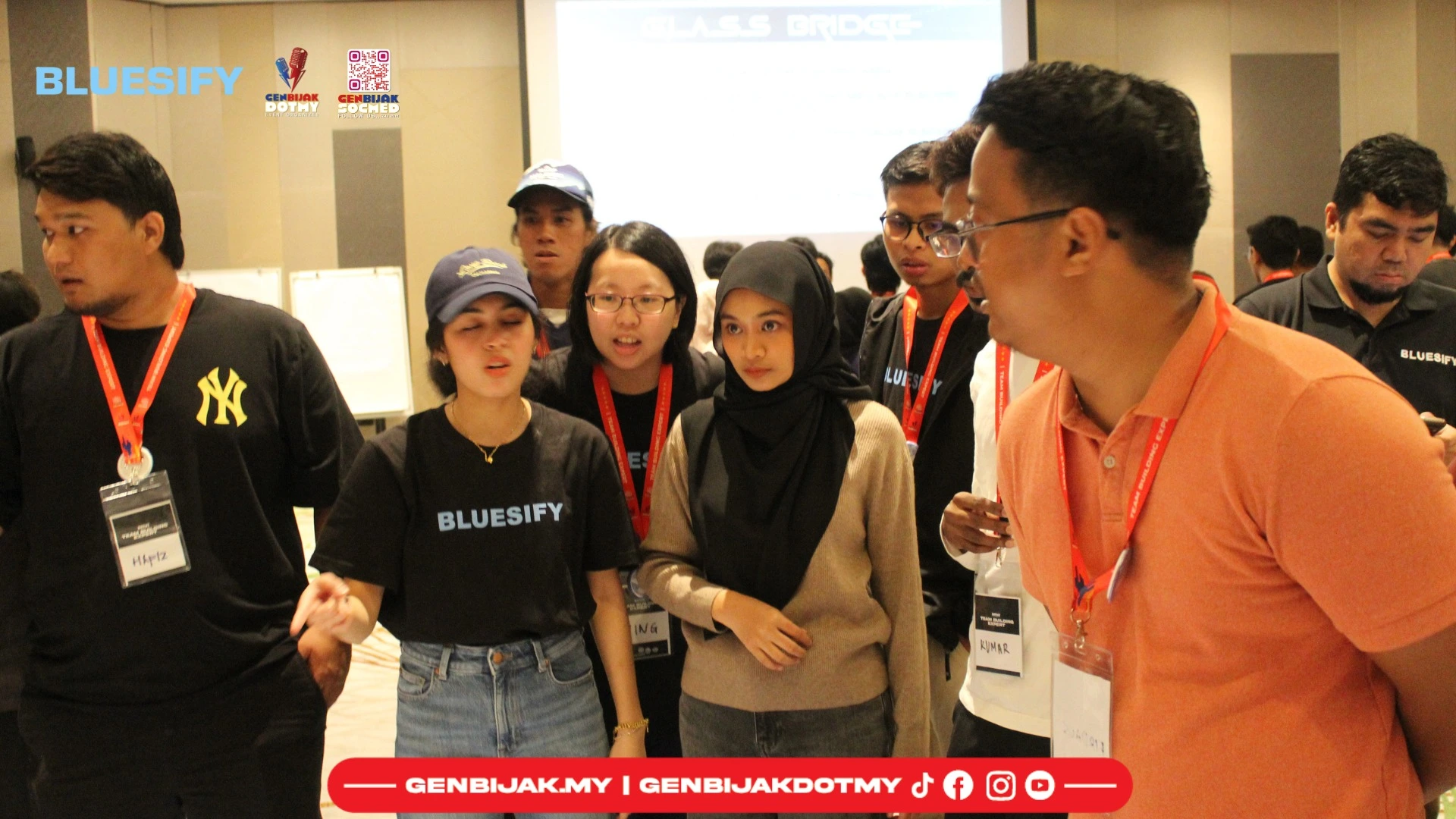
4. Conclusion
Great large-group icebreakers are more than just fillers; they make team building smoother, more inclusive, and energetic for the rest of your event. By choosing the right activities, you set the stage for genuine connection.
👉 Ready to elevate your next company event? Invite GenBijakdotMy to design a customized run-of-show for you, from opening icebreakers to main challenges and wrap-up debriefs.
5. FAQs
For the purpose of these icebreakers, a "large group" is defined as 50 to 300 pax. The goal at this scale is to turn a passive crowd into active participants fast.
Most activities are designed to be quick, typically lasting between 5 to 10 minutes. This keeps the energy high without dragging on the agenda.
The key is to split the large group into small squads of 8–12 pax, even if the activity is a "whole room" concept. Additionally, always provide one clear demo and keep rules simple (max 2–3 steps).
Activities that encourage movement and mingling are best. "Human Bingo" is great for networking across departments, while "Find Someone Who..." works well for connecting mixed teams through movement.
Make it meaningful with a mini debrief. End with 2 quick prompts (totaling 2 minutes) asking, "What helped your team connect fastest?" and "How can we bring that into work next week?".
Yes. You can invite GenBijakdotMy to create a customised run-of-show that covers everything from opening icebreakers to main challenges and the wrap-up debrief.
Share post on




